
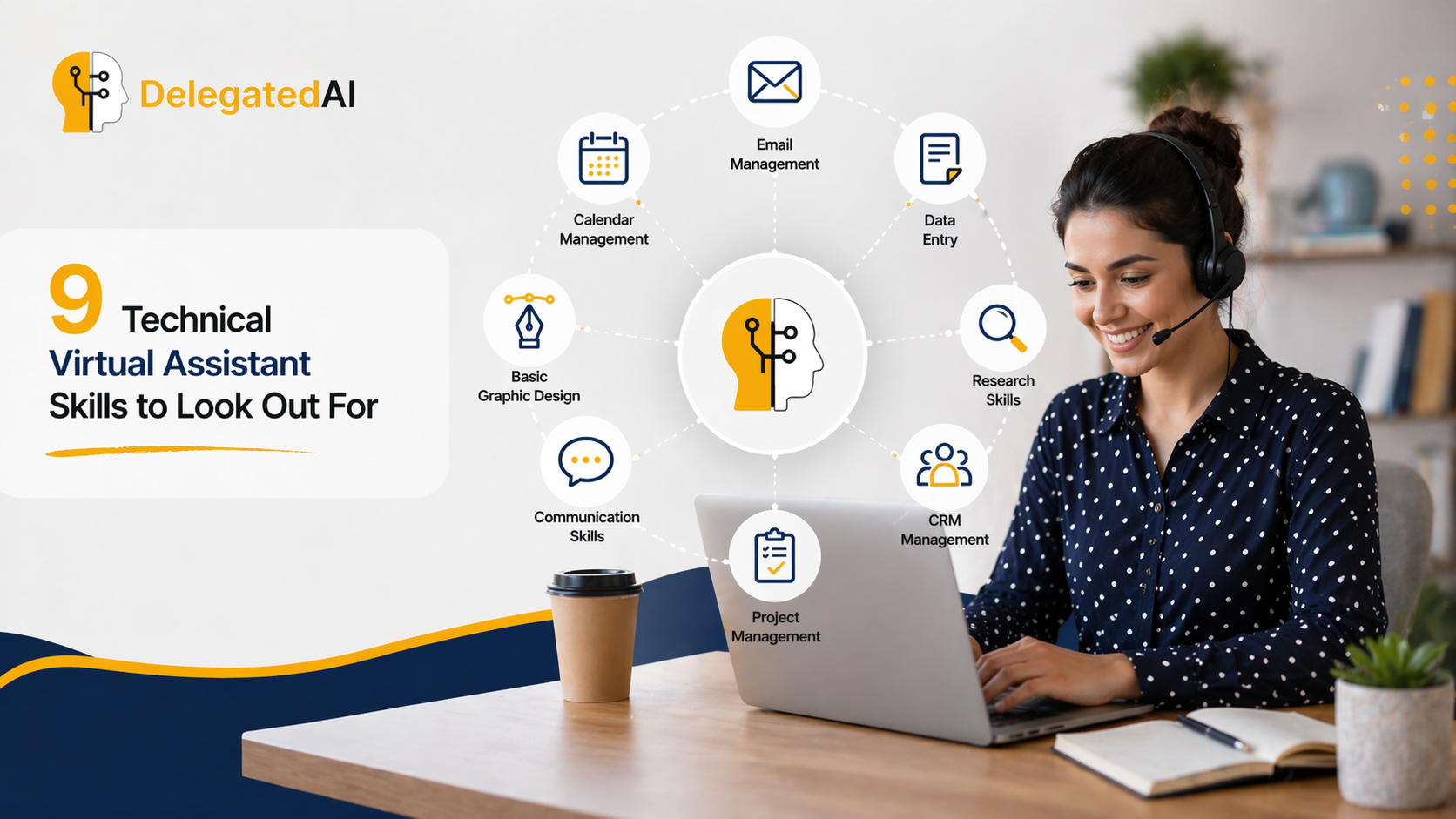
9 Technical Virtual Assistant Skills to Look Out For
Hiring the right virtual assistant can completely transformthe way you run your business, but not every remote hire is created equal.While communication style, reliability, and cultural fit matter, the technicalskills your new team member brings to the table often determine whether theybecome a true force multiplier or just another item on your to-do list. Intoday's remote-first economy, the bar for technical skills has risen sharply,and business owners need to know exactly what to look for before signing anycontract or committing to a long-term engagement.
Below are nine essential abilities that separate an averagehire from a standout virtual assistant — and why each of these technical skillsmatters for your growth, your margins, and the quality of your workweek.
1. Advanced Email and Calendar Management
At the core of any virtual assistant's role is the abilityto manage your inbox and calendar with surgical precision. This goes far beyondsimple scheduling. Look for someone who can set up filters, automation rules,email templates, shared labels, and multi-timezone calendar workflows usingtools like Gmail, Outlook, Calendly, and Google Calendar. These technicalskills ensure that nothing slips through the cracks, your day runs onautopilot, and your inbox stops being a daily source of anxiety.
2. Project Management Tool Proficiency
A skilled virtual assistant should be completely comfortableworking inside platforms like Asana, Trello, ClickUp, Monday.com, or Notion.Strong technical skills here include building dashboards, setting up recurringtasks, automating workflows, linking dependencies across projects, and standingup templates that scale. When project management is handled confidently, you nolonger have to micromanage — you simply review outcomes, approve decisions, andkeep moving forward.
3. CRM and Lead Management Expertise
Any virtual assistant working with a sales-driven businessshould know their way around a customer relationship management platform.HubSpot, Salesforce, Zoho, and Pipedrive each require distinct technicalskills, from tagging contacts and building pipelines to running automatedfollow-up sequences and reporting on close rates. Real CRM expertise keeps yourleads warm, your pipeline clean, and your conversion rates climbing steadily,month after month.
4. Basic Graphic Design and Canva Mastery
Visual content drives engagement, and a virtual assistantwith design-adjacent abilities is a significant asset. Canva, Adobe Express, and Figma are standardtools today. Your hire should be able to resize images for different platforms,maintain brand kits, produce polished social graphics, build pitch decks, andcreate lead magnets without you lifting a finger. Even modest design chops cansave you thousands of dollars a year in outsourced creative work.
5. Social Media Scheduling and Analytics
Running social media is more technical than it looks fromthe outside. A capable remote professional should know how to use Buffer,Hootsuite, Later, or Meta Business Suite to batch-schedule content, analyzeperformance, and A/B test captions, hashtags, and posting times. Thesetechnical skills allow your team to deliver measurable results rather than justposting content into the void and hoping something eventually sticks.
6. Data Entry, Spreadsheet, and Reporting Skills
Clean data powers smart decisions. A strong candidate shoulddemonstrate advanced technical skills in Excel and Google Sheets — thinkVLOOKUPs, XLOOKUPs, pivot tables, conditional formatting, and basic scriptingwith Google Apps Script. If weekly KPI reports, cohort analysis, and anomalydetection are on the table, someone who can confidently transform raw numbersinto clear, visual insights is absolutely worth their weight in gold.
7. Automation and No-Code Tool Knowledge
Automation is where a modern virtual assistant truly shines.Zapier, Make (formerly Integromat), Airtable,and n8n allow someone with the right technical skills to connect apps andeliminate repetitive tasks permanently. Whether it's syncing form submissionsto a CRM, triggering client onboarding emails, routing invoices into accountingsoftware, or creating custom approval flows, well-built automations quietlysave dozens of hours every single week.
8. Light SEO and Content Formatting
Content-focused businesses benefit enormously from someonewho understands basic search engine optimization. Technical skills like keywordresearch using Ubersuggest or SEMrush, on-page optimization, image alt tagging,meta description writing, internal linking, and formatting blog posts insideWordPress can significantly boost organic traffic over time. They don't need tobe a senior SEO strategist — they just need to execute cleanly and consistentlyagainst a structured brief.
9. Cybersecurity Awareness and Password Management
Finally, and perhaps most overlooked, is cybersecurity. Avirtual assistant often handles sensitive credentials, client data, financiallogins, and internal documents. Core practices here include using passwordmanagers like 1Password, LastPass, orBitwarden, recognizing phishing attempts, enabling two-factor authenticationeverywhere, and following secure file-sharing protocols. Strong securityhygiene protects your business from breaches that can cost tens of thousands ofdollars to remediate.
How to Evaluate These Abilities Before Hiring
Don't take a résumé at face value. Ask every candidate tocomplete a short paid trial task that tests at least three of the abilitiesabove. For example, assign them to clean a messy spreadsheet using formulas,schedule a week of branded social content, and set up a simple Zapierautomation between a form and a spreadsheet. The results will tell you far morethan any polished interview answer ever could.
It also helps to ask about certifications. Manyprofessionals complete structured courses on platforms like Coursera, HubSpot Academy, Google Skillshop, andLinkedIn Learning. These credentials signal that your hire takes their craftseriously, invests in their own growth, and keeps their capabilities sharp in afast-moving landscape.
Prioritize adaptability too. Tools change constantly — whatmatters most is whether your hire can pick up a new platform quickly, readdocumentation without hand-holding, and troubleshoot independently whensomething breaks. That mindset, combined with a solid baseline of toolingexpertise, is what turns a good assistant into a great one over the long run.
Another smart move is to layer your evaluation. Start with abrief written response to a scenario, move to a paid trial project, and thenschedule a live screen-share call where the candidate walks you through howthey built the trial deliverable. This three-step filter weeds out anyone whoexaggerates capabilities on paper, and gives you direct insight into how theythink, communicate, and solve problems under realistic conditions. You'll alsoget a feel for their documentation habits, their response time, and theirwillingness to ask clarifying questions instead of guessing at requirements.
Final Thoughts
The right virtual assistant is not just an extra pair ofhands — they're a strategic partner who multiplies your output and buys backyour time. By prioritizing the nine areas outlined above, you dramaticallyincrease the odds of hiring someone who delivers real ROI from day one ratherthan adding more management overhead to your plate. Technology evolves quickly,and so should your expectations of the people you bring in to support yourbusiness. Invest the time upfront to evaluate properly, run a paid test task,and verify capabilities against your real-world workflows, and you'll build aworking relationship that compounds in value for years to come.
Once you've made the hire, don't let their growth stall.Build a modest shared learning budget into the arrangement, encourage quarterlyupskilling in at least one new tool, and schedule monthly one-on-ones focusedpurely on workflow improvements rather than task updates. The most effectiveremote professionals are the ones who continuously refine how they work, notjust what they do. Pair that habit of continuous improvement with cleardocumentation, transparent feedback loops, and genuine respect for their time,and you'll turn a capable remote hire into a long-term competitive advantagethat's nearly impossible for your competitors to replicate.